
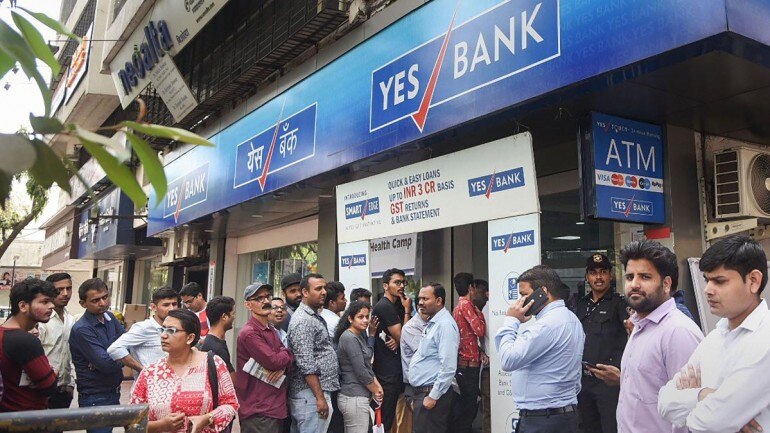
The queues outside Yes Bank branches, and earlier at Punjab and Maharashtra Cooperative Bank, showed how much households rely on uninterrupted access to their deposits. When Yes Bank was placed under a moratorium in March 2020, the disruption reached beyond branch withdrawals.
Spread your banking relationships
In Let’s Talk Money, Monika Halan suggests three accounts for salaried earners: one for income, one for regular investments and one for monthly spending. Those accounts serve different purposes. Holding them across more than one bank can also give you another way to access money if a bank restricts withdrawals.
The original article favoured keeping one account at an established public-sector bank. It’s also worth checking a bank’s deposit insurance coverage and how it applies to the accounts you hold.
Have a fallback for payments and check your holdings
PhonePe’s UPI payments were disrupted because Yes Bank routed its transactions. An account held elsewhere could still depend on the same payment route. A second payment method offers another way to pay if one provider is unavailable.
The Karvy Share Broking case, in which the broker was alleged to have misused client securities, illustrates a different risk. Check that completed purchases appear in your demat account and understand the authorisations you give a broker. The original article also suggested keeping a separate demat account with a different provider.
Diversify across asset classes
Diversification goes beyond holding a mix of stocks. Bonds and debt funds can also lose value when an issuer becomes insolvent or an instrument is written down, as the DHFL episode and Yes Bank’s Additional Tier 1 bonds showed. The article discussed equities, bonds and gold as different sources of exposure, and a home as a place to live if income falls.
At the time, the article favoured public-sector tax-free bonds and sovereign gold bonds. It argued that prices had risen and suggested considering a 5–10% allocation to those assets if prices came down. The emphasis was on preserving capital, spreading risk and continuing to save even when returns were modest.